
Bespoke (semi-bespoke and Full Bespoke) vs. Made-to-Measure: Understanding Custom Suit Construction
Updated January 2026
The terms "bespoke," "made-to-measure," and "custom" get thrown around interchangeably in menswear. They are not the same thing. Understanding the differences matters when you're investing thousands of dollars in a suit, because each approach delivers fundamentally different results.
This guide breaks down the three main categories of custom tailoring: made-to-measure, semi-bespoke, and full bespoke. We'll cover how each is constructed, what level of fit each delivers, and which makes sense for different situations.

What Is the Difference Between Bespoke, Made-to-Measure, and Semi-Bespoke?
The core distinction comes down to pattern creation and construction method. Here is how each approach differs:
Made-to-Measure (MTM) starts with a pre-existing block pattern that gets modified to your measurements. The construction is primarily machine-finished. This is a significant upgrade from off-the-rack, but the underlying pattern was designed for a generic body type, not yours specifically.
Semi-Bespoke creates a unique paper pattern drafted specifically for your body. The garment is produced in a more efficient setting than full bespoke, with machine work on the interior and hand-finishing on all visible exterior details. This approach delivers bespoke-level fit at a more accessible price point.
Full Bespoke also creates a unique paper pattern, but the garment is constructed with approximately 90% hand work, inside and out. Only the longest straight seams use machine stitching. Everything else is done by hand by a single master tailor.

How Made-to-Measure Works
Made-to-measure tailoring begins with a standardized pattern, typically called a block or base pattern, that has been designed to fit a range of body types within certain size parameters. When you visit a made-to-measure tailor, they take your measurements and adjust this base pattern accordingly.
The adjustments are real, and they matter. Sleeve length, jacket length, trouser rise, and waist suppression can all be modified to better fit your proportions. Many MTM services also offer extensive style customization: lapel width, pocket styles, button configurations, lining choices, and so on.
What MTM cannot do is account for asymmetries and postural variations that fall outside the base pattern's parameters. If your shoulders differ in height, if you have a forward-leaning stance, or if your body deviates significantly from standard proportions, a modified block pattern will only get you so far. The suit will fit better than off-the-rack, but certain compromises remain built into the garment.
Construction is primarily machine work, which allows for faster production times and lower costs. A well-executed MTM suit from quality fabric will serve most men better than anything they could buy off the rack at a similar price point.
How Semi-Bespoke Works
Semi-bespoke represents a distinct category that sits above made-to-measure in both fit precision and construction quality. The critical difference is the pattern: semi-bespoke creates a unique paper pattern drafted from your individual measurements rather than modifying a pre-existing block.
This means every asymmetry, every postural consideration, and every proportion specific to your body gets captured in the pattern itself. The garment is designed for your body alone, not adapted from a template.
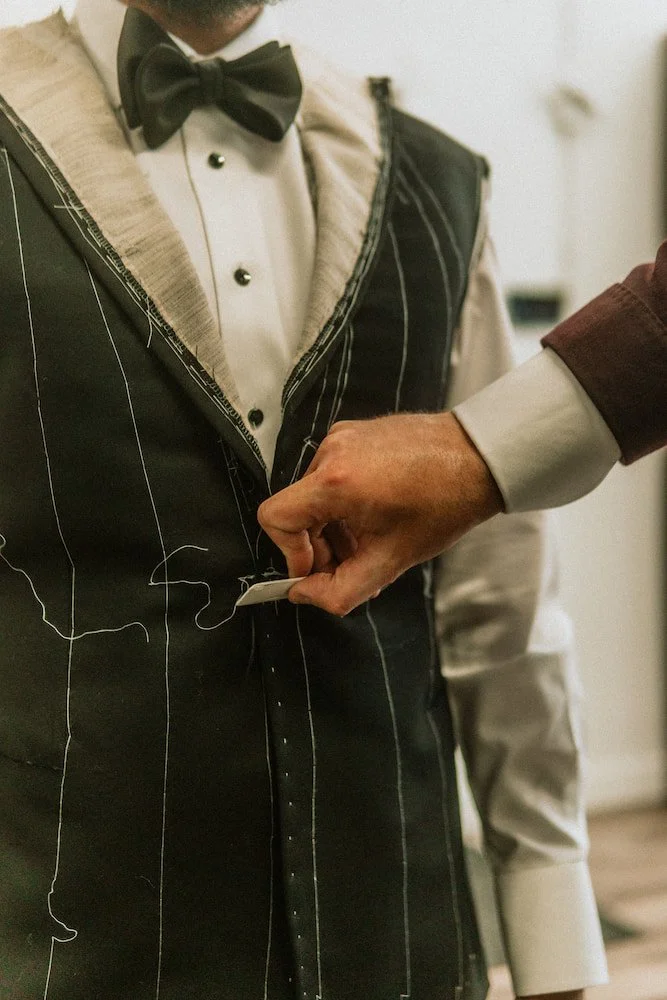
Where semi-bespoke gains efficiency is in the construction process. The interior of the garment uses machine finishing, while the exterior receives hand-finishing on all the details that affect appearance and drape: functional sleeve buttonholes, hand-sewn buttonholes, pick stitching on lapels and pocket flaps, Milanese buttonholes, and similar details. The result is a garment that looks and fits like bespoke, produced in a timeframe and at a cost that makes building an actual wardrobe feasible.
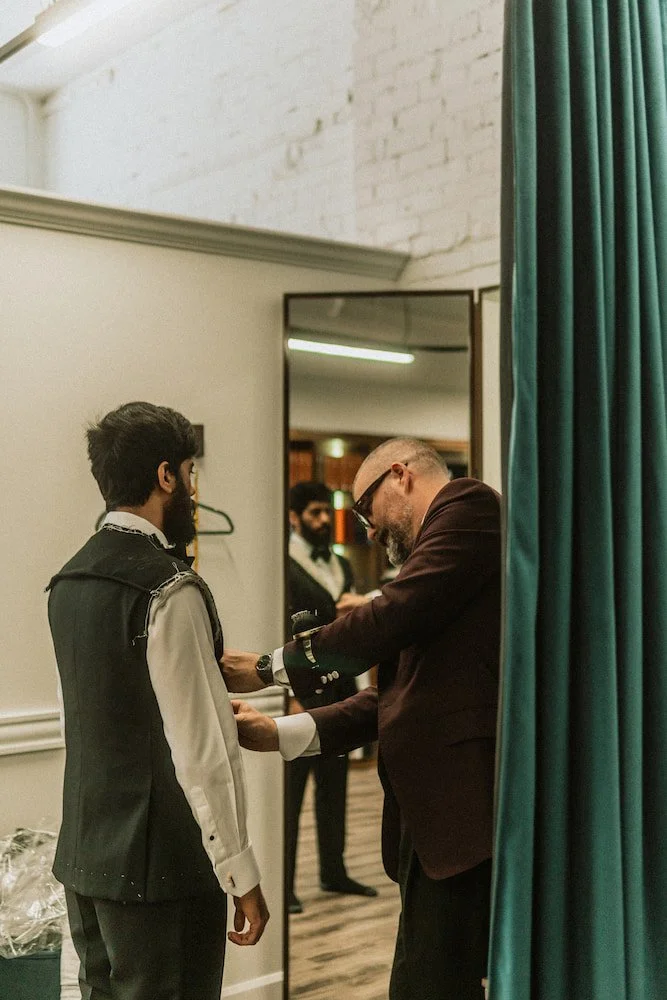
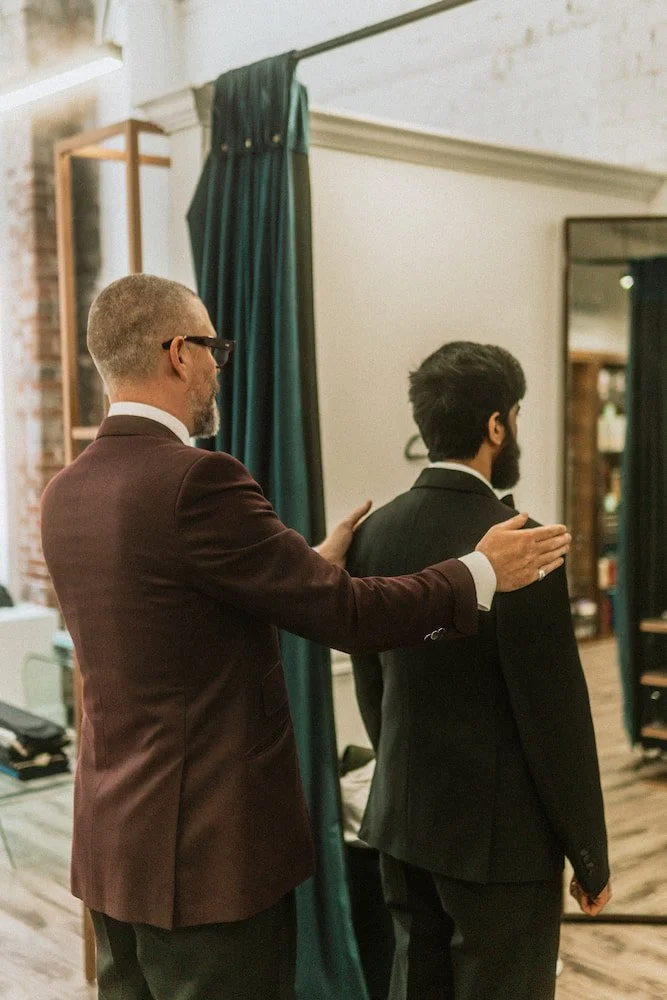
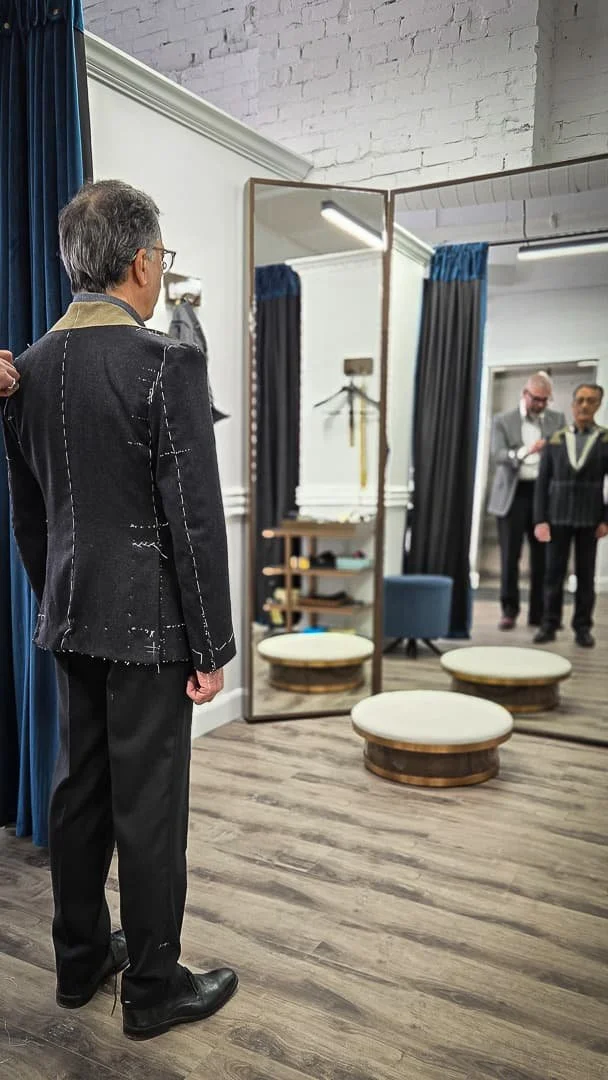
Semi-bespoke typically involves two to three fittings. The first fitting allows the tailor to assess how the garment is taking shape on your body and make adjustments to the pattern. Subsequent fittings refine the fit until the garment is complete.
How Full Bespoke Works (Bench Made)
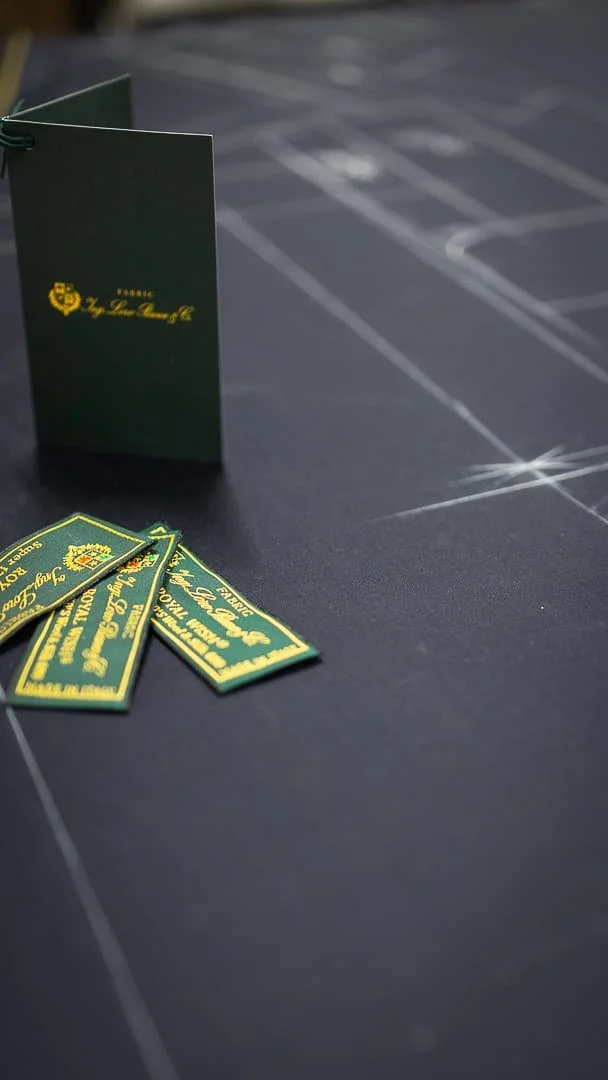
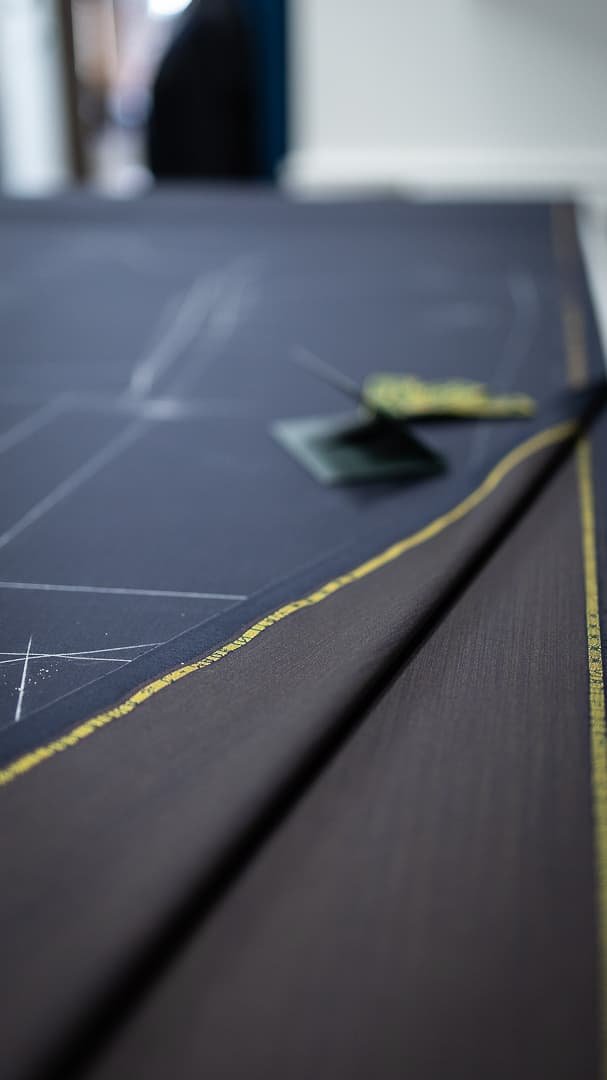
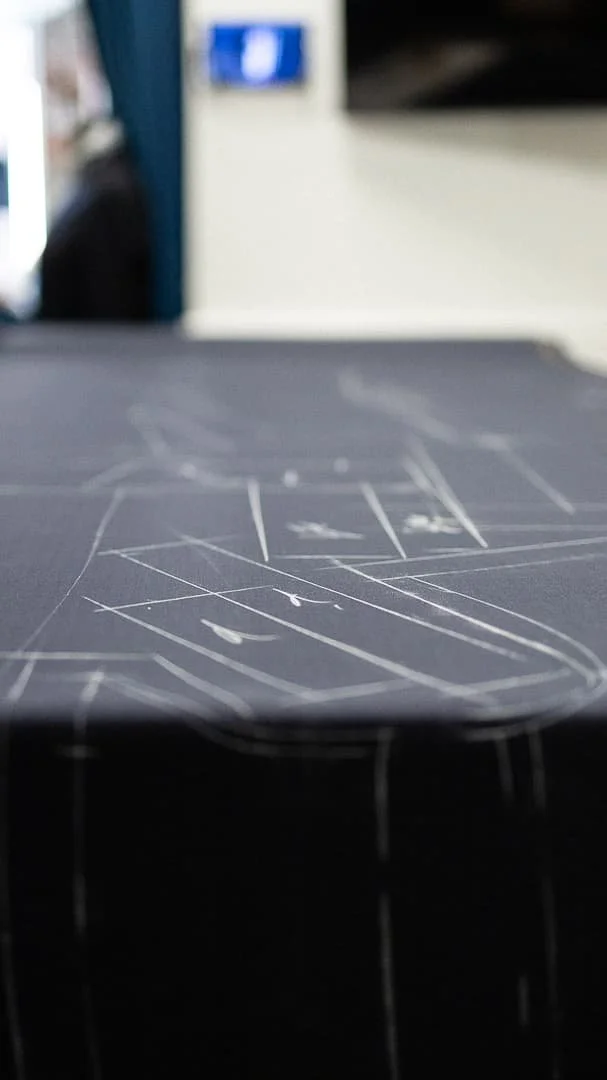
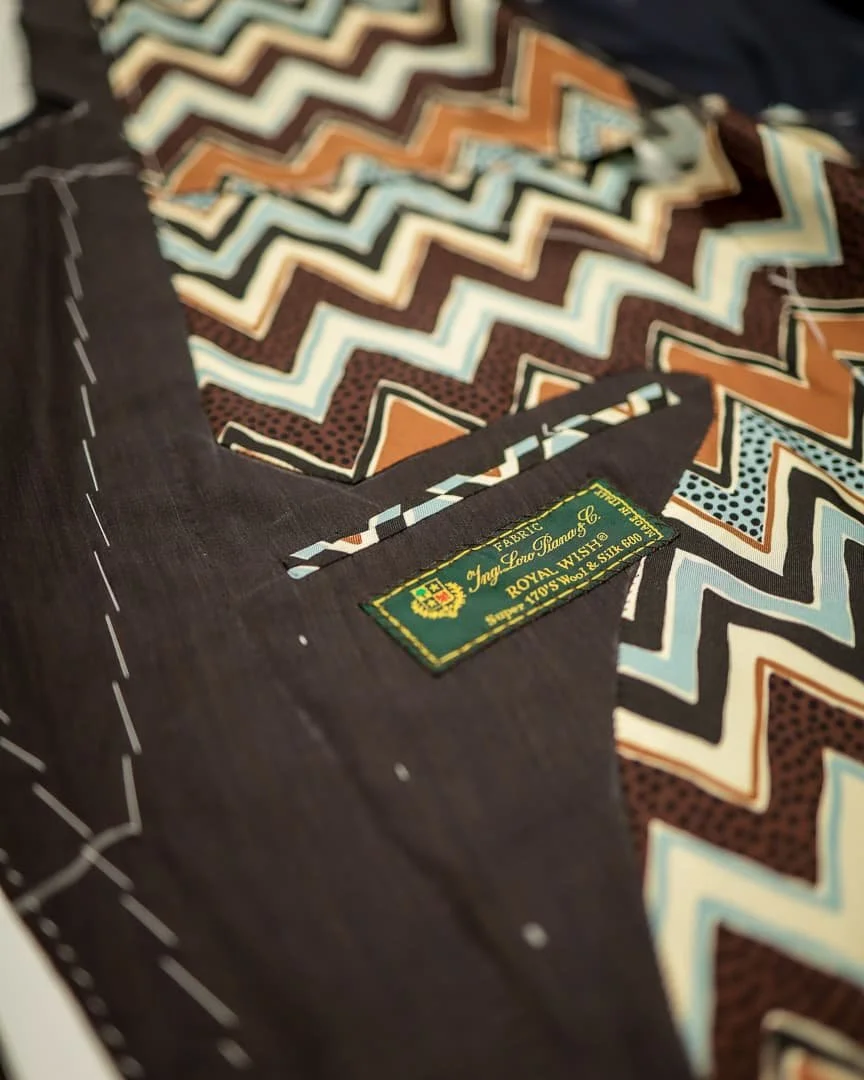
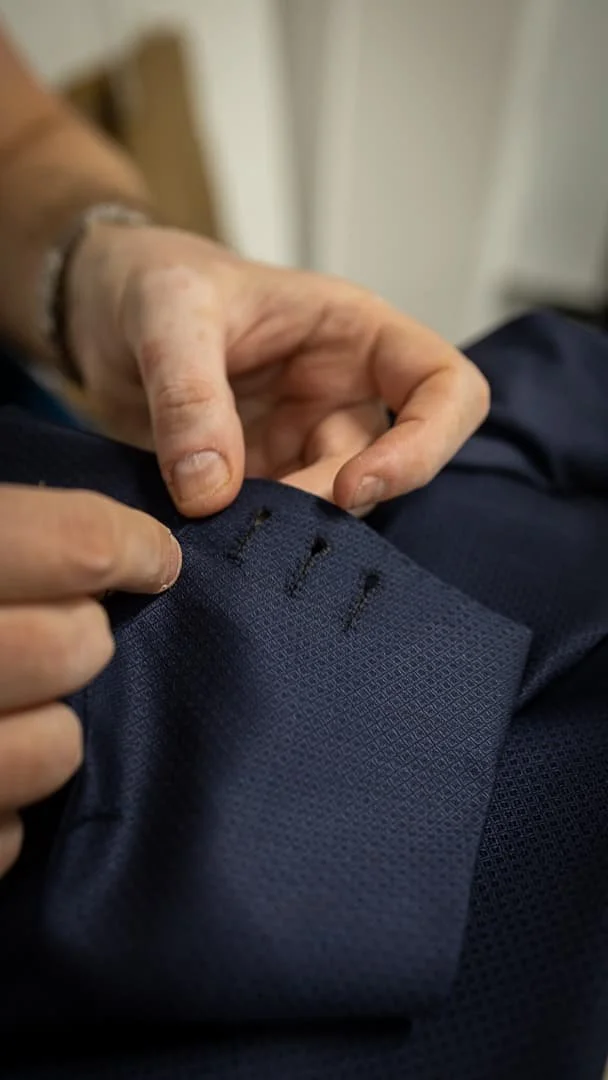
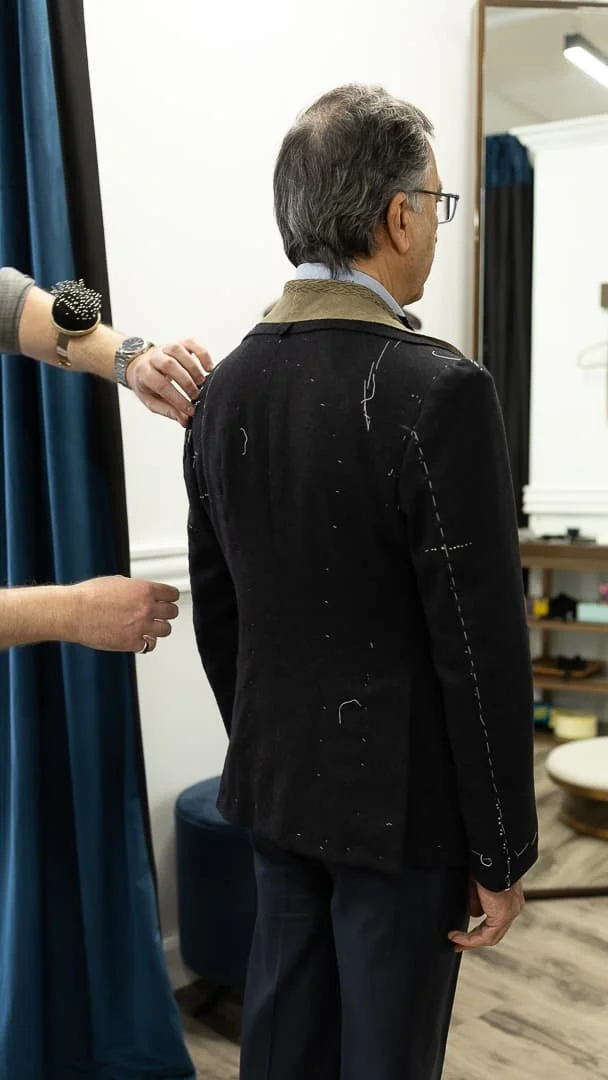
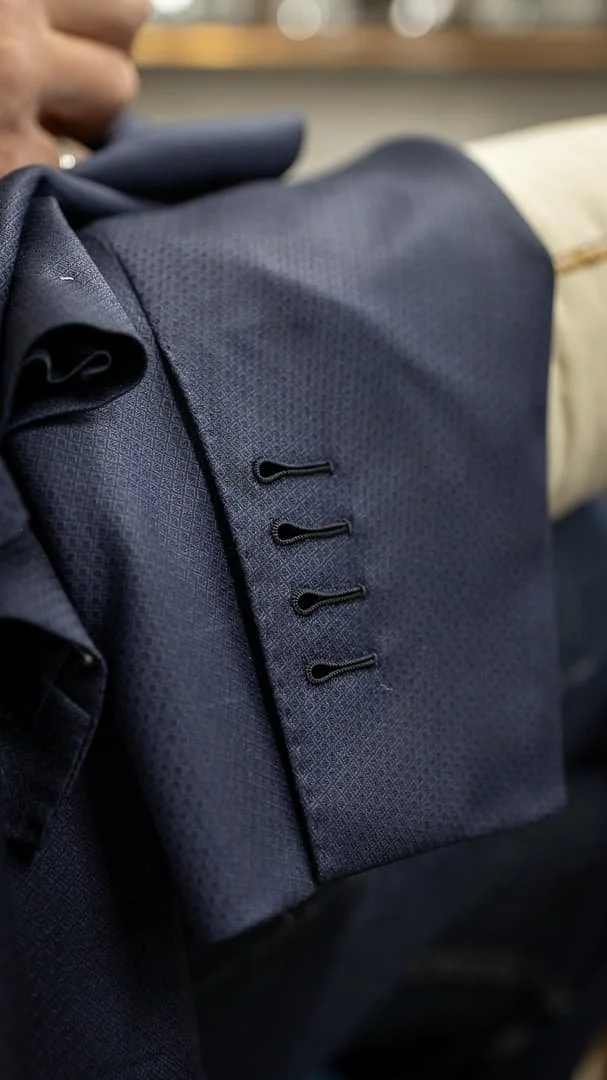
Full bespoke tailoring represents the pinnacle of the craft. Like semi-bespoke, it begins with a unique paper pattern created specifically for your body. What distinguishes full bespoke is the construction method: approximately 90% of the garment is made by hand.
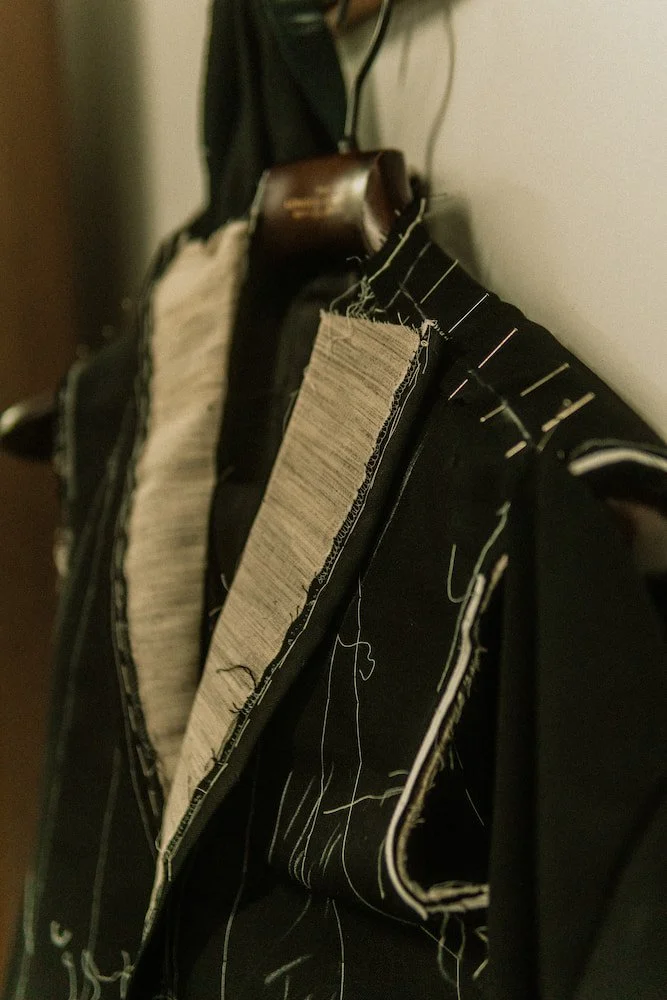
Only the longest straight seams receive machine stitching because this produces a stronger, more consistent line than hand stitching on those specific seams. Everything else, from the canvas construction to the collar attachment to the lining insertion, is done by hand. The result is a garment with a distinctive softness and drape that machine construction cannot replicate.
When a bespoke suit is "benchmade," it means a single master tailor constructs the entire garment from start to finish. This differs from assembly-line methods where different workers handle different components. A benchmade suit benefits from one craftsperson's complete understanding of how all the pieces interact. Decisions about tension, ease, and shaping get made holistically rather than in isolation.
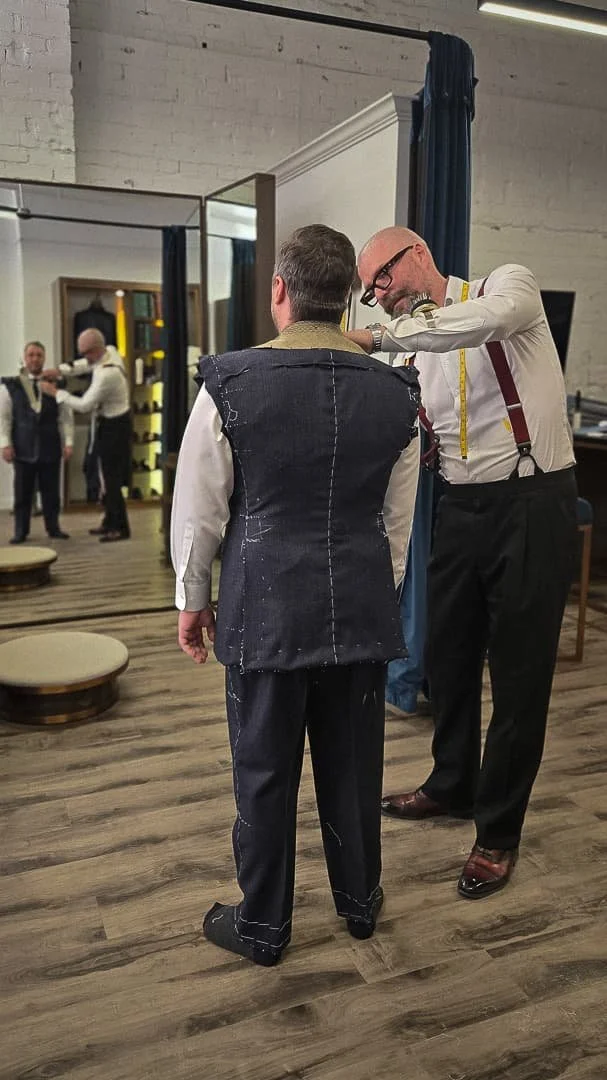
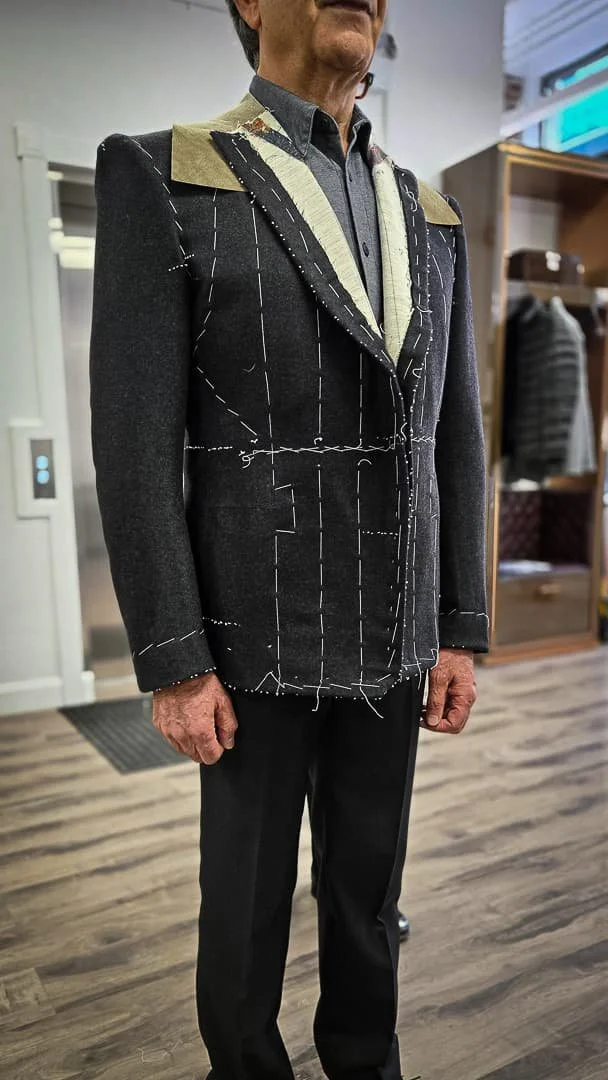
The fitting process is more extensive: four to five fittings over several months. The first fitting typically uses a "baste" garment, a rough construction that allows the tailor to assess fit and make substantial adjustments to the pattern before proceeding. Each subsequent fitting refines the garment further until the final product achieves the precise fit that only this level of handwork allows.
The Savile Row Bespoke Association, which protects the standards of London's historic tailoring district, requires member houses to meet specific benchmarks for handwork, fitting processes, and construction methods. While these standards apply specifically to Savile Row tailors, they represent the global benchmark for what full bespoke tailoring should deliver.
Which Approach Is Right for You?
The honest answer is that most men do not need full bespoke tailoring. This is not a sales tactic; it's the reality of fit and construction.
Made-to-measure makes sense when your body is relatively proportional, you don't have significant postural considerations, and your goal is simply to have suits that fit better than off-the-rack at a moderate price point. MTM provides a meaningful upgrade in fit and allows for style customization.
Semi-bespoke makes sense when you want the precision of a unique pattern without the extended timeline and investment of full bespoke. For most men who have struggled to find suits that fit properly, semi-bespoke solves the problem. The unique pattern accounts for your specific body, and the hand-finished exterior details provide the visual hallmarks of quality construction.
Full bespoke makes sense in specific circumstances: bodies with significant asymmetries or postural considerations that consistently frustrate other approaches; clients who require the absolute highest level of fit precision for professional reasons; and those who want the experience and object quality that only complete handmade construction provides. The difference between semi-bespoke and full bespoke is not primarily about fit (both use unique patterns), but about construction method, and the particular drape and feel that 90% handwork delivers.
A Note on Our Approach
At The London Bespoke Club in Toronto, we offer both semi-bespoke and full bespoke tailoring. We do not offer standard made-to-measure because we believe that if you're investing in custom clothing, you deserve a unique pattern created specifically for your body.
Our semi-bespoke program creates a unique paper pattern for each client with two to three fittings and hand-finished exterior details throughout. We hold ourselves to Savile Row standards because those standards exist for good reason, even though we operate in Toronto rather than London.
Our full bespoke service is benchmade in-house, with approximately 90% hand construction, four to five fittings, and the individual attention that only single-tailor work allows. It represents the same process used by the great tailoring houses, executed for clients who want that caliber of work.
We assess your body, discuss your needs, and recommend what actually makes sense for your situation. Sometimes that's semi-bespoke. Sometimes it's full bespoke. The right answer depends on you.