Cloth & details / Tailoring
The London Bespoke Club · Toronto6 min read
From the Journal
Choosing winter suit cloth. Warmth, comfort and everyday wear.
Start with the day you actually have. A practical guide to cloth, layers and choosing a winter suit you’ll enjoy wearing, with three options I would consider.
In this story
A winter suit has to work for the day you actually have. In Toronto, that might mean a cold walk to the office followed by several hours in a heated room. Choosing the heaviest cloth available only answers part of the question.
Start with how warm you run, how often you wear a suit and how much of the year you want to use it. Then consider the cloth’s weight, surface and feel together. A substantial charcoal twill, a lighter grey flannel and a navy wool-cashmere chalkstripe can each make sense, for different reasons.
Dress for the working day as well as the journey
Think through the hours between leaving home and getting back. Do you drive most of the way? Walk to the train? Spend the afternoon in an office where everyone complains about the heating? Those details are more useful than the month on the calendar.
If you spend most of your time indoors, an everyday wool suit with an appropriate overcoat may already meet your needs. The suit still has to feel comfortable once the coat comes off. If you feel cold indoors too, another layer or a more substantial cloth deserves a closer look.
There is also the question of what you already own. If your usual navy or charcoal suit serves you well, a flannel can bring something different to the rotation. If this is the suit you will rely on for much of the year, versatility matters more. A winter purchase does not have to be a winter-only suit.
Weight is useful. It is not the whole answer.
A cloth’s weight gives us a starting point, but it cannot tell you on its own how the finished suit will feel. Look at the weave, the surface finish and the way the sample hangs as well. Handle simply means how the cloth feels in your hand; drape describes how it hangs and falls.
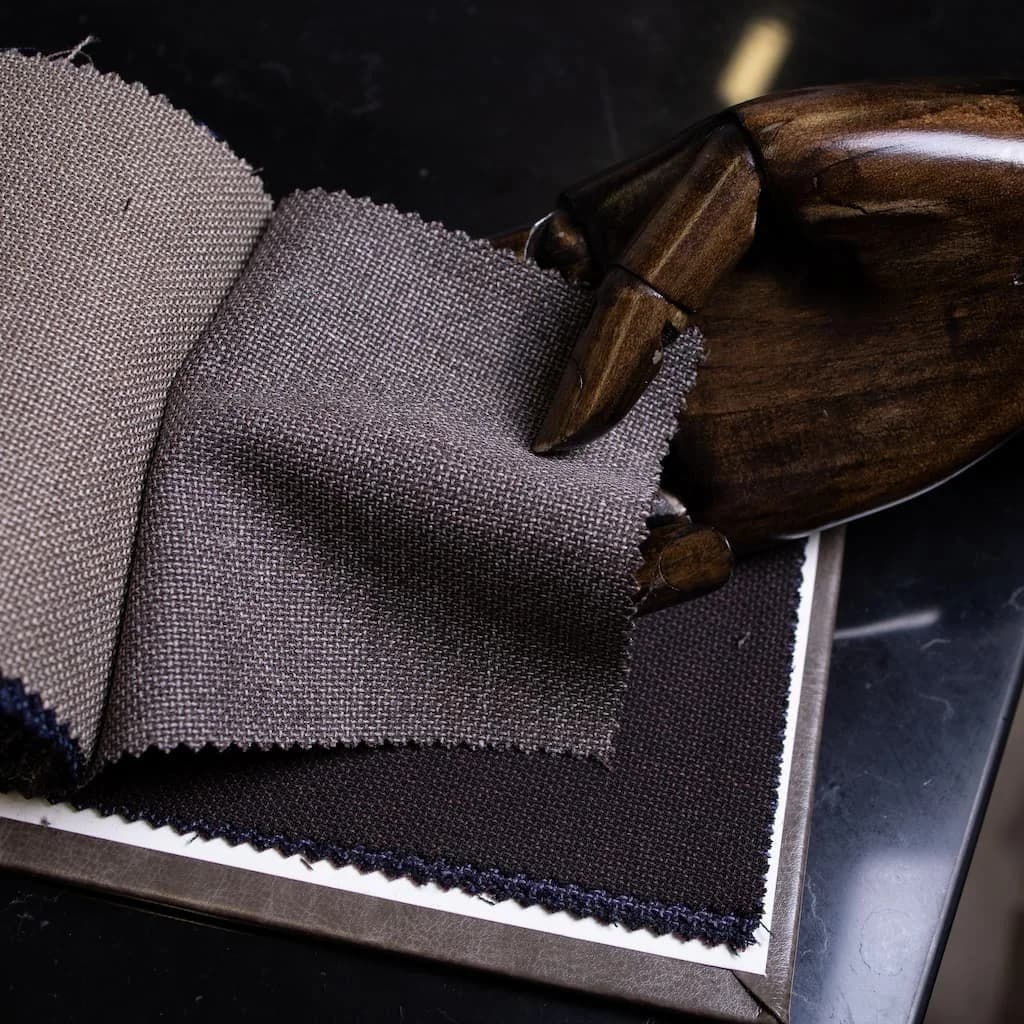
The two Vitale Barberis Canonico cloths below make the point well. The charcoal twill is 300g. The grey flannel is 270g. The flannel is lighter, yet its raised, matte surface gives it the more recognisably autumn-and-winter character. Compare the two in your hand and you begin to see why the weight alone is an incomplete guide.
Nor is every flannel the same. There are lighter and heavier versions, and both worsted and woollen flannels. The word on the bunch is a reason to explore the samples, rather than a complete specification for the suit.
A Super number answers a different question again: it refers to wool fibre fineness. It is not a warmth rating. Choosing by the highest number, the greatest weight or the best-known mill skips the more useful question: how well does this particular cloth suit the way you will wear it?
Three cloths I would put on the table
Here are three options I would consider for someone choosing a suit for colder days. They illustrate different ways to approach the decision, rather than a single rule about what a winter suit must be.
All prices below are for two-piece semi-bespoke suits in Canadian dollars, before tax. A waistcoat is additional.
Charcoal twill, with more months of wear
Vitale Barberis Canonico Perennial · $2,495
My first suggestion is an unusual one for a winter article: a solid charcoal twill from Vitale Barberis Canonico’s Perennial collection. Perennial is generally an all-season choice, but this particular cloth has more substance at 300g. It is classic charcoal with a touch of texture.
For someone who does not run too hot, I like the scope it gives you across the year, including further into summer. It is especially worth considering as a three-piece: leave the waistcoat off on hotter days and bring it back for winter layering.
That flexibility is the attraction. You are choosing a suit with several ways to wear it, rather than reserving it for a short stretch of cold weather.

Grey flannel for autumn and winter
Vitale Barberis Canonico · $2,395
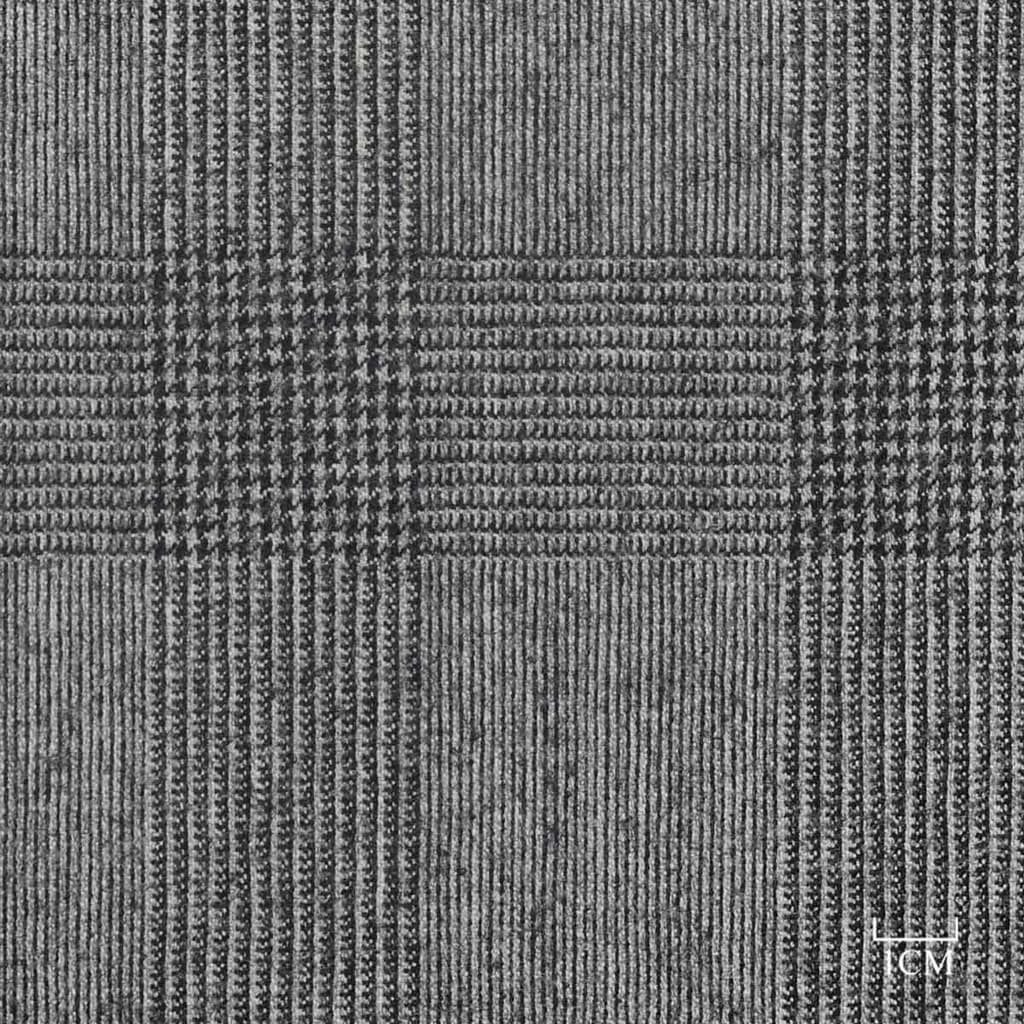
The mid-grey check flannel is the familiar autumn-and-winter choice. Its raised nap gives it a soft hand and a matte appearance. It already has the character many people have in mind when they ask for a winter suit.
At 270g, it is lighter than the charcoal twill. I would still consider a waistcoat, an overcoat, or both on colder days. Choosing a seasonal-looking cloth does not remove the need to think about layers.
This is the option to look at if you already have your everyday solids covered and want a different texture and pattern. Put it beside the shirts and ties you actually wear; the check should be something you enjoy getting dressed in.
Navy chalkstripe in wool and cashmere
Loro Piana · $3,695
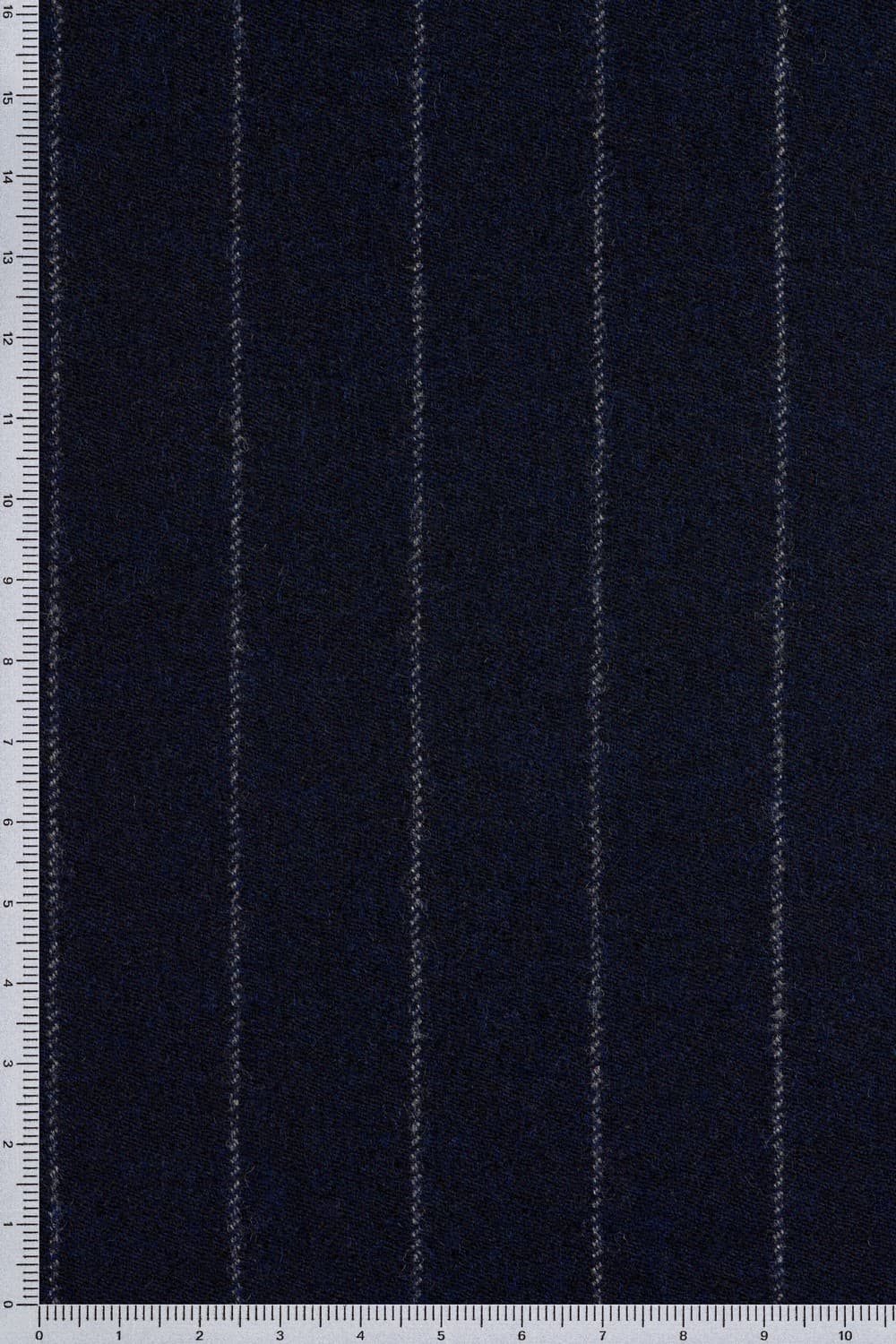
At the higher end of the budget, I would bring out this Loro Piana flannel in a classic navy chalkstripe. It is 95% wool and 5% cashmere, and my choice here for someone with understated taste.
The interest is in the cloth and the stripe. I would let those lead the design. A photograph helps show the pattern, but this is a sample to handle beside the other two before deciding whether the difference is worth the extra spend to you.
The cashmere content is one part of that decision. It is not a reason on its own to assume the suit will be warmer, last longer or suit your working week better. Choose it because you appreciate this cloth and expect to wear it.
Make the layers work together
A waistcoat is a useful way to give the same suit another combination. The charcoal Perennial is a particularly good candidate because of its scope across the seasons. With the lighter grey flannel, it is also an option for colder days.
Think about what happens indoors. If you already feel too warm at your desk, adding a waistcoat may not be the answer. If you like wearing one after taking your jacket off, that is part of the decision too.
When discussing fit, mention the layers you intend to wear. If you use a base layer under your shirt, allow for that in the conversation and wear it to the fitting. Check the outfit sitting down and with your arms moving, and consider how your coat fits over it. Comfort depends on the combination, as well as the cloth.
Would a separate jacket get more wear?
The same thinking applies if you are drawn to tweed or another pronounced texture. Before committing to a full suit, picture the occasions you would wear it. If most of those involve separate trousers, a jacket may be the more useful addition.
That is a different brief from an everyday business suit. Bring an example of the trousers and shirt you would pair with it. It is easier to judge a colour or pattern as part of an outfit than as a small square in a cloth book.
Buy for the wardrobe you actually use
Cost per wear starts with honest expectations. A cloth you can wear for more months may offer better value if this will be one of your main suits. A seasonal flannel can be just as sensible when you already have the basics and know it will be in regular rotation.
Price alone does not settle it. Neither does choosing the plainest cloth if you would much rather wear the check. Consider the comfort, the colour and pattern, and the clothes you already own. The aim is a suit you keep wanting to put on.
To compare these options, book an appointment at The London Bespoke Club. Tell us how you spend your day, what you wear now and what you would like the next suit to do differently. We can start there and work through the cloths together. Consultations are strictly by appointment.
Book an appointment