Tailoring
The London Bespoke Club · Toronto5 min read
From the Journal
Finding your tailor.
Ask about the pattern. Ask who makes it. Ask for 9 buttons, if you like. A good tailor should be comfortable answering your questions.
At a glance
- Ask how your pattern is made, what can be changed and who will fit your suit. A tailor should be comfortable showing you their work.
- Look for someone who listens to how you want to dress and can explain their advice in plain language.
- Agree on the price, fittings and timing before you commission. You should feel comfortable asking questions at every stage.
In this story
Finding a tailor is a personal decision. You’re trusting someone with your money, your ideas and the way you’ll feel in the clothes they make. I’d want to leave that first conversation knowing who I was dealing with and how they intended to make my suit.
You don’t need to know tailoring terminology before you go in. Ask questions. If someone describes their work as bespoke, it’s fair to ask them to show you what they mean.
Start with the conversation
Tell the tailor what you’ll wear the suit for, how often you expect to wear it and what bothers you about clothes you already own. That might be trousers that feel tight when you sit, a collar that never sits properly or a jacket that feels too formal for your day.
Pay attention to whether they ask follow-up questions. You should be able to say that you don’t like something without feeling awkward. A tailor may suggest a different approach, but they should explain why and listen to your response. You’ll be having more of these conversations at the fittings.
Ask them to show you the pattern
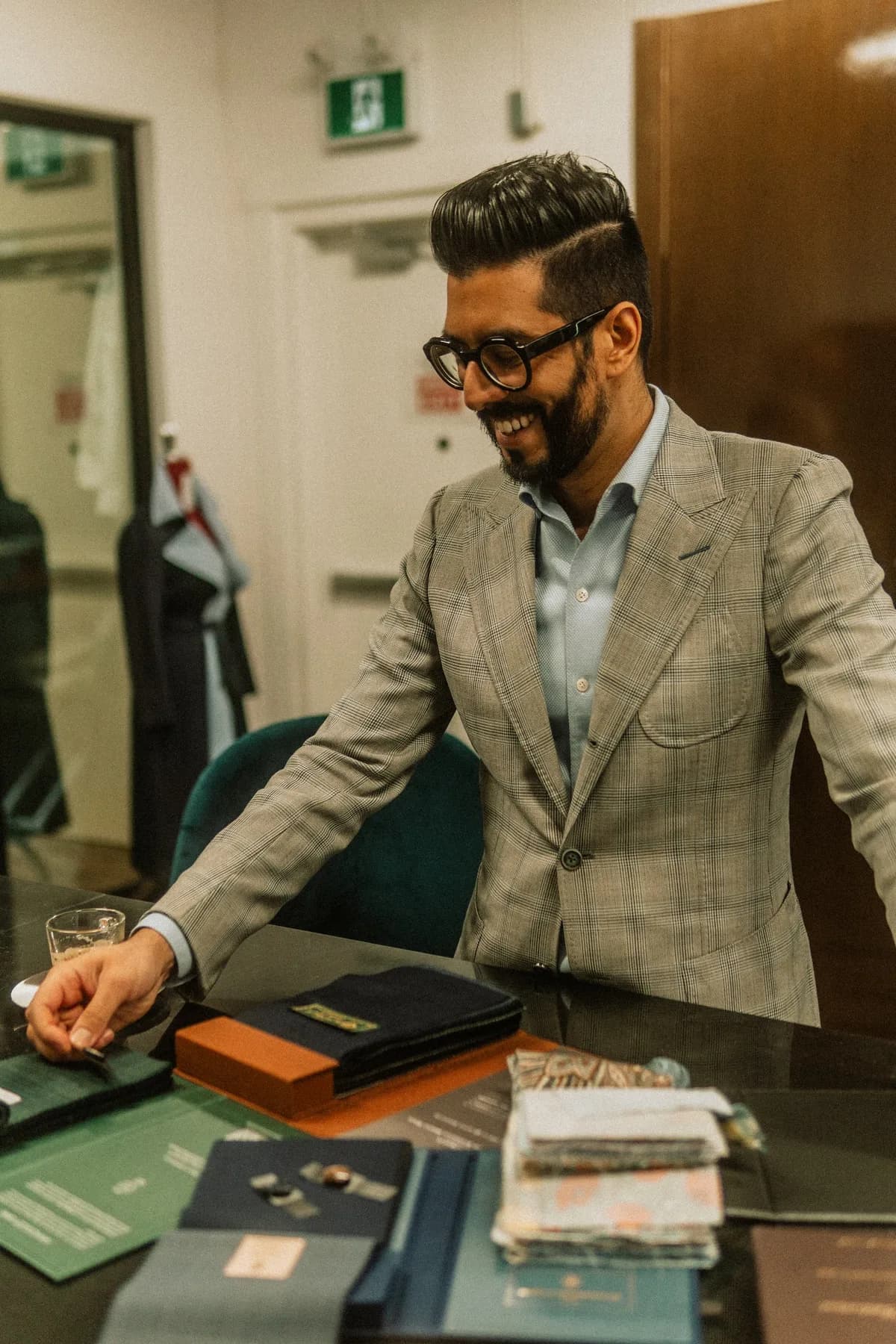
Don’t be afraid to ask a tailor to back up the word bespoke. A useful first question is: ‘Do you use block patterns, or will you draft an individual pattern for me?’ Starting with an existing block usually indicates made-to-measure. Ask how that pattern is adjusted, too; the scope varies between makers.
Then ask to see an example of their pattern work and a garment in progress. They should be able to talk you through how your proportions and posture are accounted for, what happens at a fitting and how those changes are recorded. You don’t have to judge every chalk line. You’re looking for a clear explanation of the work you’re paying for.
What if I asked for 9 buttons?
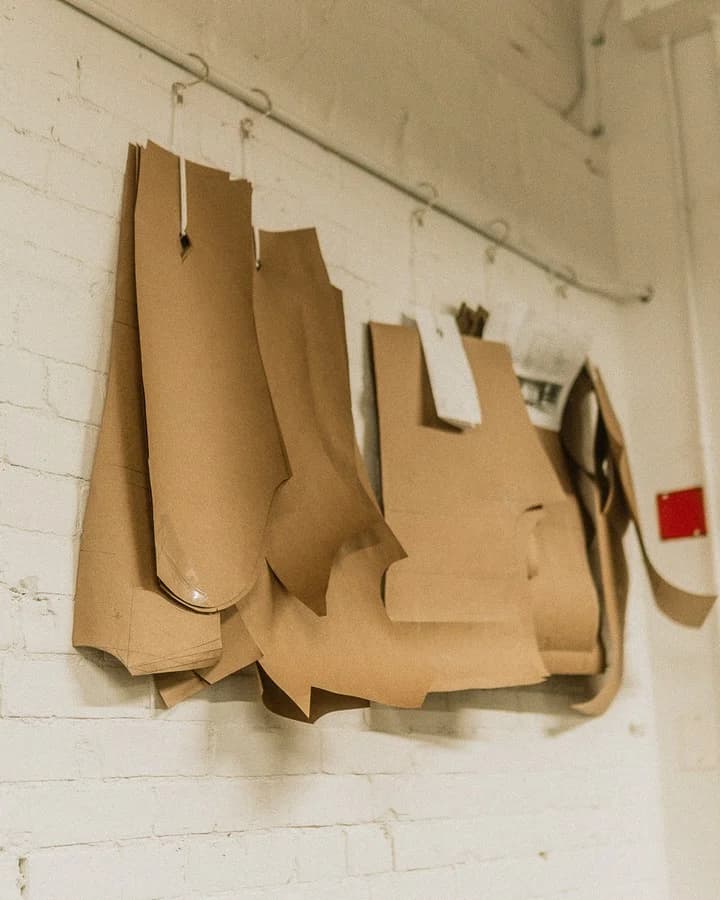
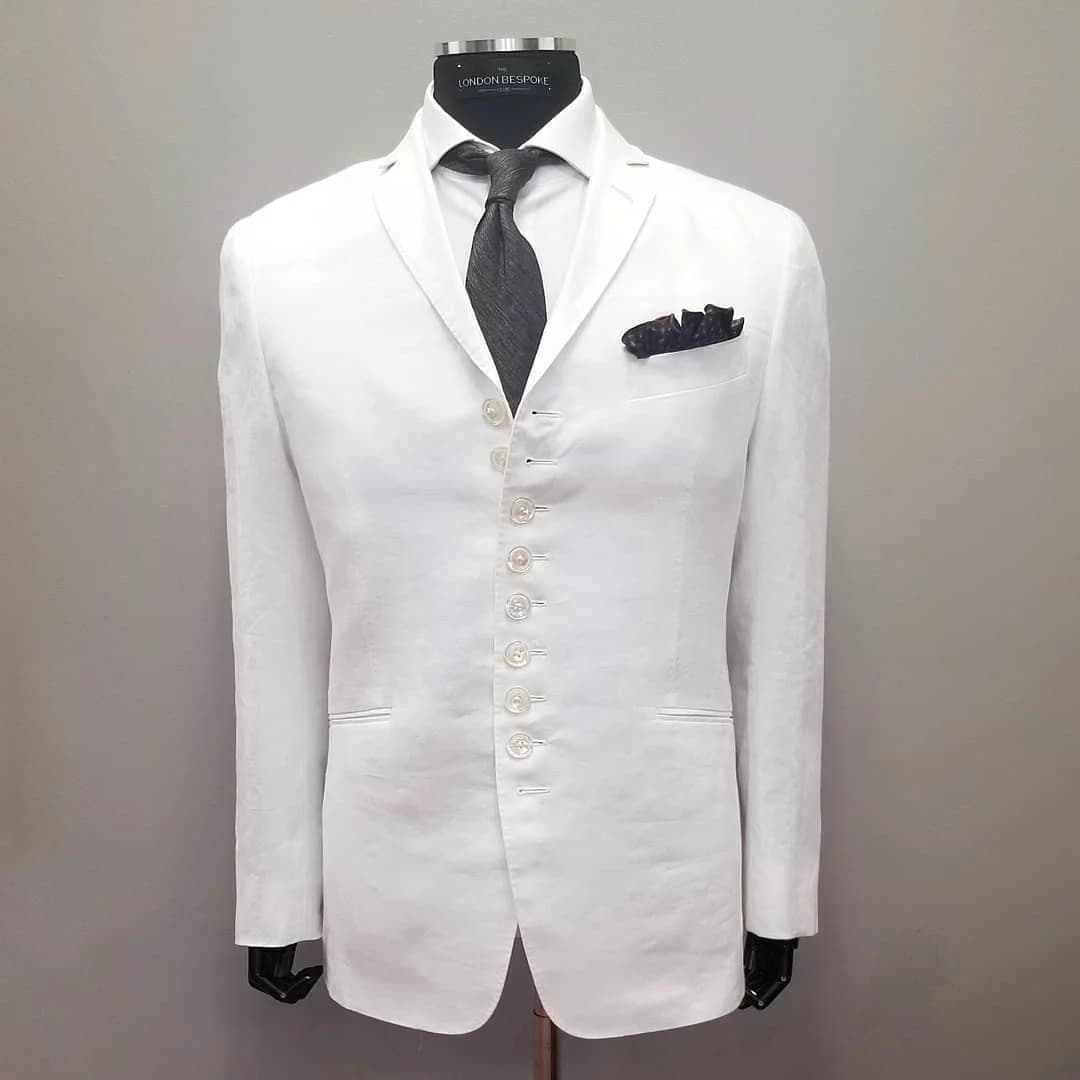
It’s a slightly ridiculous question, but a useful one: ‘Could I have a 9-button front?’ I’m not suggesting you should. I’d expect a bespoke tailor to be able to say, ‘Yes, we can make that, but I probably wouldn’t recommend it,’ and explain why. You’re listening for an understanding of what can be made, along with an honest opinion on whether it will work.
Ask about restrictions on the details you actually want: the lapels, pockets, jacket length or trouser shape. The answer should tell you where you have freedom and where there are practical limits. A yes to an unusual request doesn’t prove bespoke on its own; it belongs alongside the questions about patterns, construction and fittings.
We made this nine-button linen jacket at a client’s request. It’s an unusual choice, and it was their choice. That is part of the enjoyment of commissioning something: being able to talk through an idea and have it made for you.
Know who will make and fit your suit
Ask who cuts the pattern, where the garment is made and who will be looking after your fittings. Ask which parts are sewn by hand and which are made by machine. Those answers should be specific enough for you to understand the difference between the options and their prices.
At The London Bespoke Club, both our semi-bespoke and bench line begin with individual patterns. Semi-bespoke uses a production environment with substantially less handwork. Our in-house cutter and tailor, Ian MacMillan, makes our bench line at the Toronto atelier. We explain both so you can choose what suits your needs.
Find out when you’ll try on the unfinished garment, how adjustments are handled and what happens if the finished suit needs a final tweak. It’s also worth asking whether your pattern is updated after the fittings and kept for future commissions.
Compare semi-bespoke and our bench lineChoose cloth for the way you live
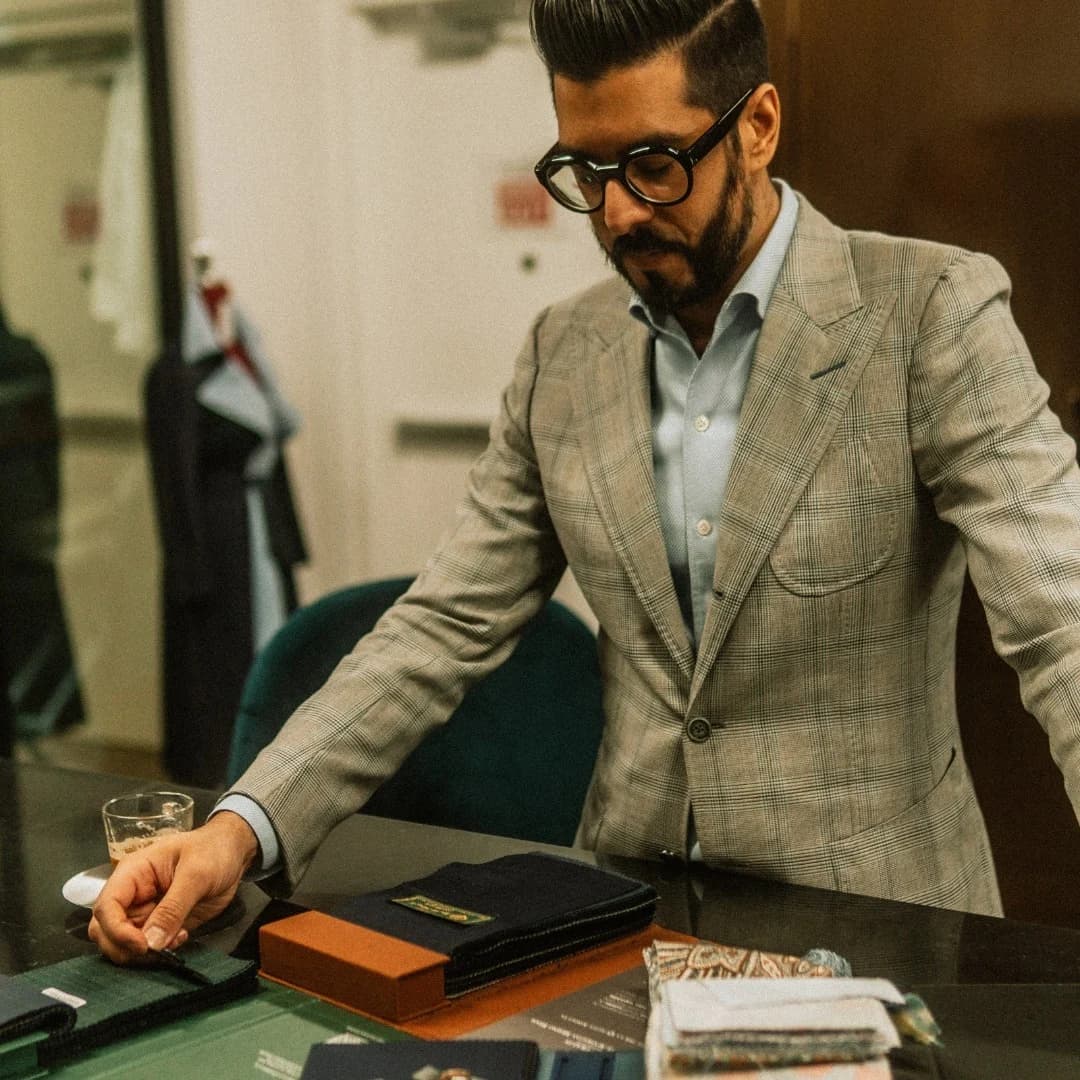
A good cloth conversation starts with your day. Do you walk to work, spend most of it indoors or travel often? Do you run warm? Will you wear this suit through the winter, to a summer wedding or several days a week? Tell the tailor. In Toronto, the walk outside and the hours in a heated office can call for quite different things.
Ask them to put a few options in your hands and explain the trade-offs. A heavier flannel may appeal for cooler months; an open-weave wool may be worth considering for warmer days. Ask how each will crease, feel and stand up to the amount of wear you expect. The name of the mill is only part of the decision.
If it’s your first suit, say so. You may get more use from a cloth that works across much of your year than from something chosen for one occasion. There is time to build a more seasonal wardrobe later.
Get the price and timing clear
Tell the tailor your budget early. It saves you spending an hour looking at cloth you won’t be comfortable buying. Ask for the price of the garment you’ve discussed, including your chosen cloth and details, and check whether tax is included.
Before you commit, you should know how many fittings to expect, what adjustments are included, when payment is due and when the garment should be ready. If you have an event date, mention it at the start. Leave room for final adjustments rather than planning to collect the suit the day before.
You should leave with clear answers and feel comfortable taking time to decide. If something still doesn’t make sense, ask again. A good relationship with your tailor starts with being able to have that conversation.
Come and ask us
Bring your questions, a few ideas and, if possible, a jacket you enjoy wearing. If you don’t have one, tell us how you’d like your clothes to feel. We’ll sit down with you, look at cloth and explain how we would approach your suit.
Consultations at The London Bespoke Club are complimentary and strictly by appointment. You don’t need to choose a suit programme before booking.
Book an appointment