Tailoring
The London Bespoke Club · Toronto5 min read
From the Journal
What makes a suit worth the investment?
A suit you reach for often, feel comfortable in and enjoy for years. My thoughts on fit, cloth and getting good value from what you choose.
In this story
Think about the clothes you reach for most. The jacket that sits comfortably on your shoulders. The trousers you can wear through a long lunch without wanting to loosen the waistband. You know you’ll feel good in them, so you keep putting them on.
That’s a useful place to start when you’re thinking about investing in a suit. Picture where you’ll wear it, what you’ll wear it with and how you’d like it to feel. The cloth books can come after that.
Start with the suit you’ll reach for
If you wear a suit to work, imagine an ordinary Tuesday. You’re getting dressed, the shirt is already ironed and you need to leave in ten minutes. Which suit makes that easy?
For one person, it might be navy with a little texture, something that works with most of the shirts they own. Someone else may already have navy and charcoal covered and get far more enjoyment from a grey flannel or a chalkstripe.
There’s room for personality here. You should like what you’re buying. A sensible colour that leaves you cold can end up sitting in the wardrobe too.
Bring along a jacket you love wearing, even if it’s old. Show us what works and what annoys you. That gives us somewhere useful to begin.
What cost per wear looks like
Cost per wear is simply what you spend divided by how often you wear it. It’s a handy way to think beyond the day you pay for the suit.
Take an imaginary $2,000 suit. If you wear it 100 times, that works out to $20 a wear. If you go on to wear it 200 times, it becomes $10 a wear. You haven’t bought anything else; you’ve kept enjoying what you chose.
Now imagine a $1,000 suit that comes out only ten times. That’s $100 a wear. The smaller purchase can end up being the more expensive one each time you get dressed.
These are examples, before cleaning and alterations, rather than prices for our suits or promises about how long one will last. The useful question is whether you can see yourself wearing it that often.
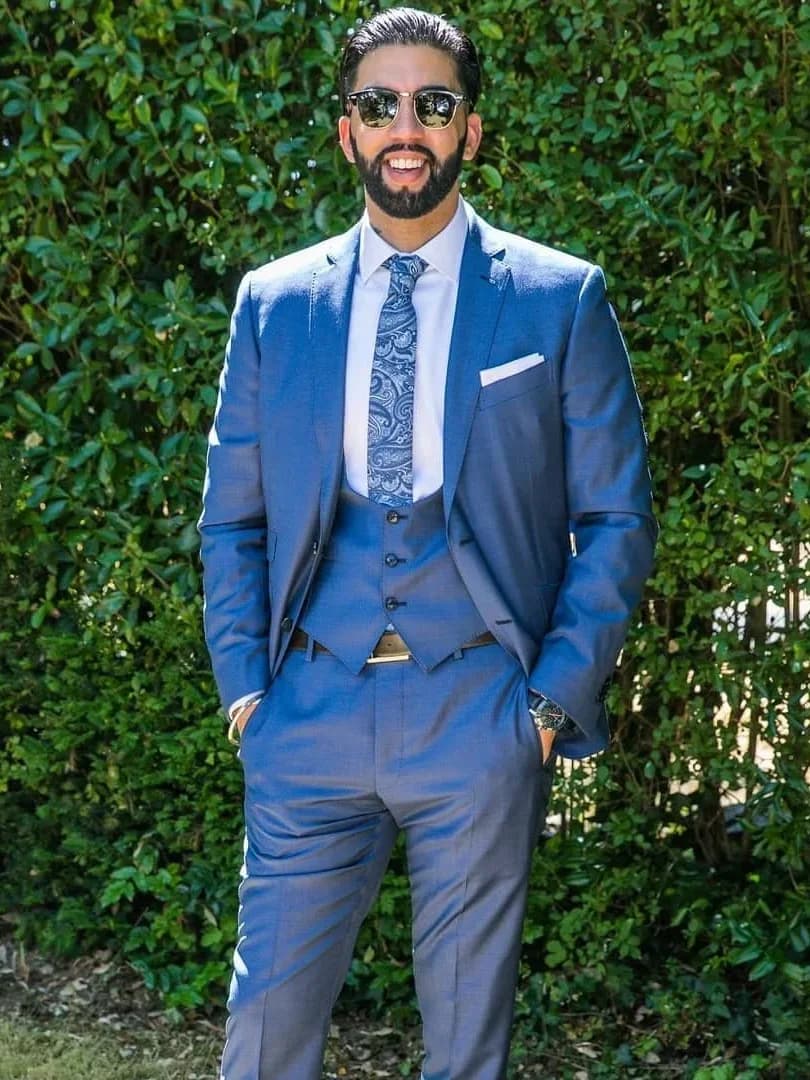
A wedding suit is a good example. A classic navy, black or charcoal suit can have a life afterwards. A waistcoat in a distinctive cut can make it feel special on the day; later, you can wear the two-piece on its own. Each time it comes out for dinner, work or another celebration, you get more from the original investment.
Fit comes before the label
A well-fitting cheap suit is better than a poorly fitting expensive one. I’m quite happy to say that. If the waistband bothers you every time you sit down, the name on the cloth won’t make you want to wear it.
Try sitting, walking and moving your arms at the fitting. Tell us what feels good and what doesn’t. You should be able to get on with your day without constantly adjusting your clothes.
If you’re working within a tighter budget, I’d look at a less expensive cloth. Buying off the rack and having it altered is another sensible option. And if there’s a suit you already own and like, bring it in so we can see whether alterations would help.
If you’re considering a ready-made suit that needs a lot of changes, have those assessed before buying. Some things are easier to alter than others.
Where would you enjoy spending a little more?
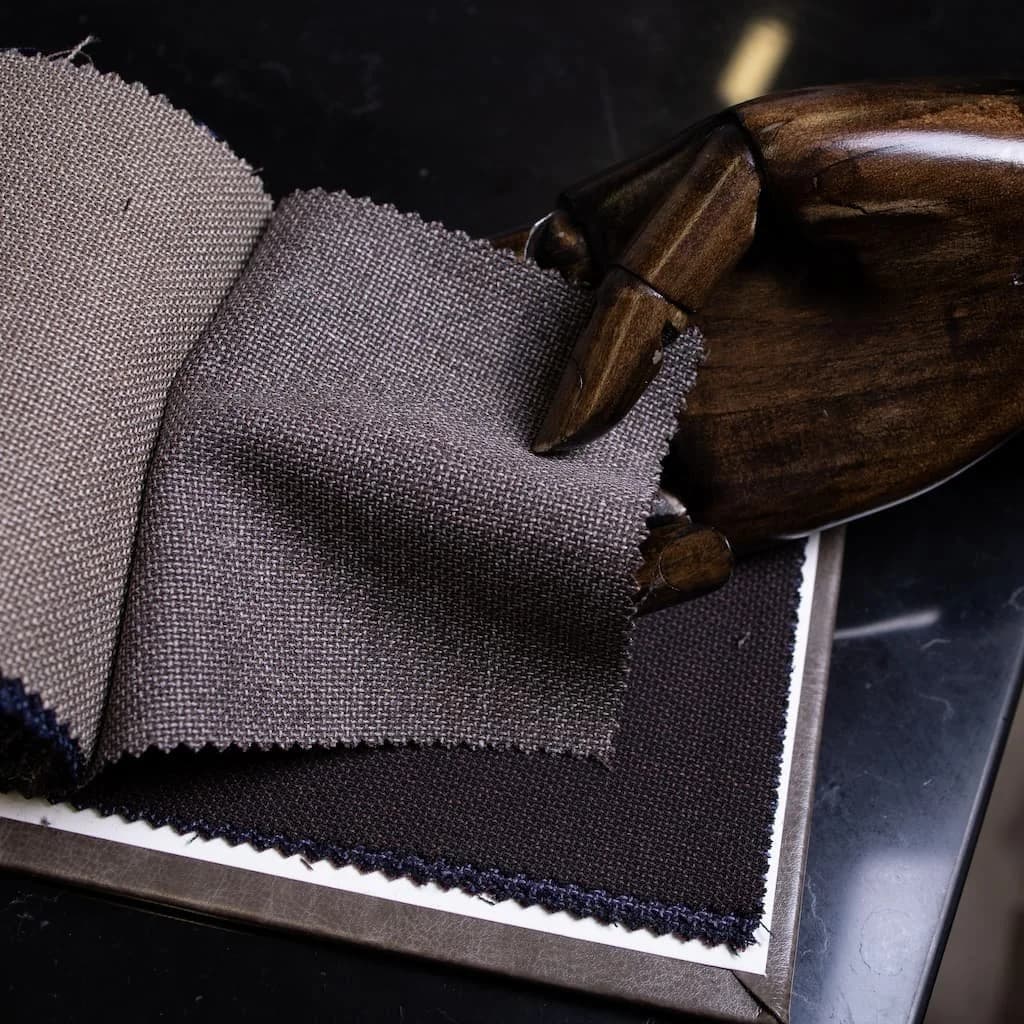
Once we’ve found cloths that suit your day and your budget, put them side by side. Feel them. Look at the colours against a shirt you wear. Is there one you keep coming back to?
You might love the softness of a flannel or a subtle pattern that makes a familiar navy feel different. That can be a lovely reason to choose it. You don’t have to talk yourself into the most expensive option in the book.
The making is another choice. Both our semi-bespoke and bench-made suits begin with your own pattern. With bench-made, Ian MacMillan cuts, sews and finishes the suit at our Toronto atelier, with more handwork and more fittings. If that part of tailoring interests you, it’s worth exploring together.
For someone putting together a working wardrobe, semi-bespoke may leave room for another suit or the shirts they need. We can talk through what you’d get from each option before you decide.
A closer look at semi-bespoke and bench-madeThink about the whole outfit
Before deciding, picture the suit with your own shirts and shoes. If they already work, keep wearing them. If you need something else, allow for it from the beginning.
For a suit you’ll wear regularly, a second pair of trousers is worth discussing too. Rotate both pairs from the start. That may be a more useful way to spend a little extra than moving to a more expensive cloth.
Think about the months you’ll wear it as well. If you need one suit to do a lot, a cloth you’re comfortable in across more of the year deserves a look. If you already have the everyday suits covered, an autumn-and-winter flannel might be the one you look forward to bringing out.
Three cloths I’d consider for colder daysLet’s start with what you need
You don’t need to arrive knowing the mill, the cloth weight or every detail of the design. Tell me where you’ll wear the suit, what you enjoy wearing now and what you’re comfortable investing. We can work through the choices from there.
My aim is for you to leave with something you’ll be pleased to put on, then keep finding reasons to wear.
Book a complimentary consultation at The London Bespoke Club’s Toronto atelier. Visits are strictly by appointment.
Book a consultation